 Calvi
Articles
Ordinary home-cooked dishes and the numbers that go with them. Beside every number you can see where it came from.
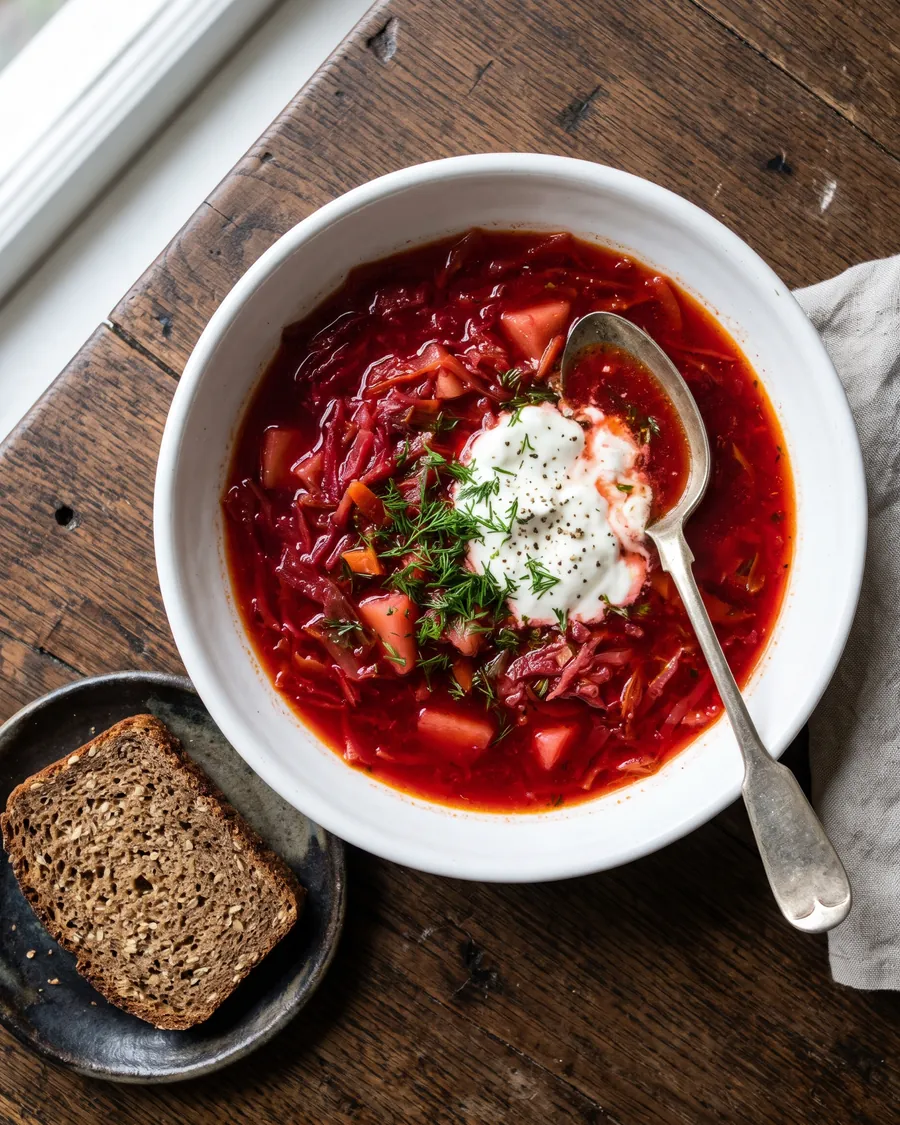
Borscht: 300 g is 155 kcal
A bowl of red borscht with potato, by the card of a school menu. A spoon of sour cream adds another 29 kcal on its own.

Potato pancakes: 70 g is 137 kcal
How much one potato pancake weighs, and why sour cream changes the total more than it looks.
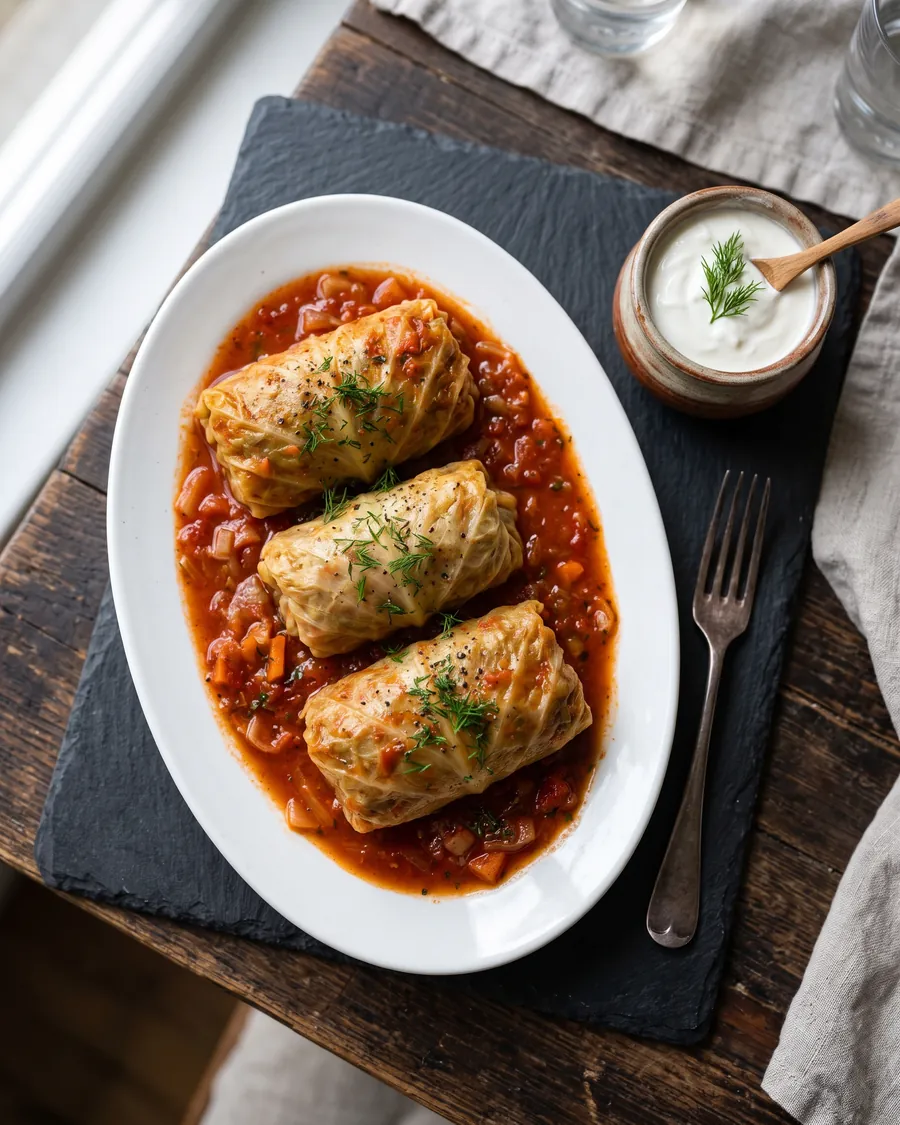
Cabbage rolls with meat and rice: 103 g is 117 kcal
One roll with tomato sauce, counted by the gram rather than by eye.
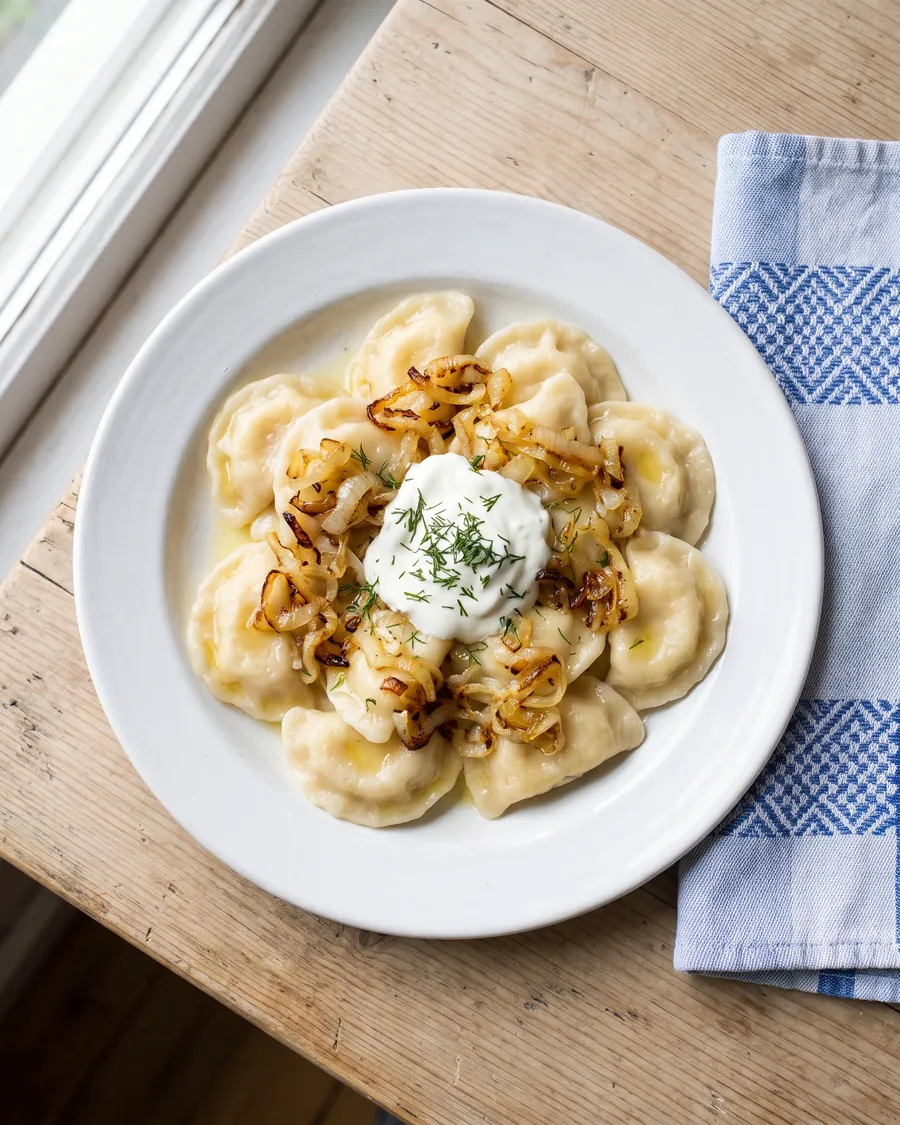
Potato dumplings: 78 kcal a piece
195 kcal per 100 g. Eight of them on a plate are 624 kcal, and counting them by the piece works better.
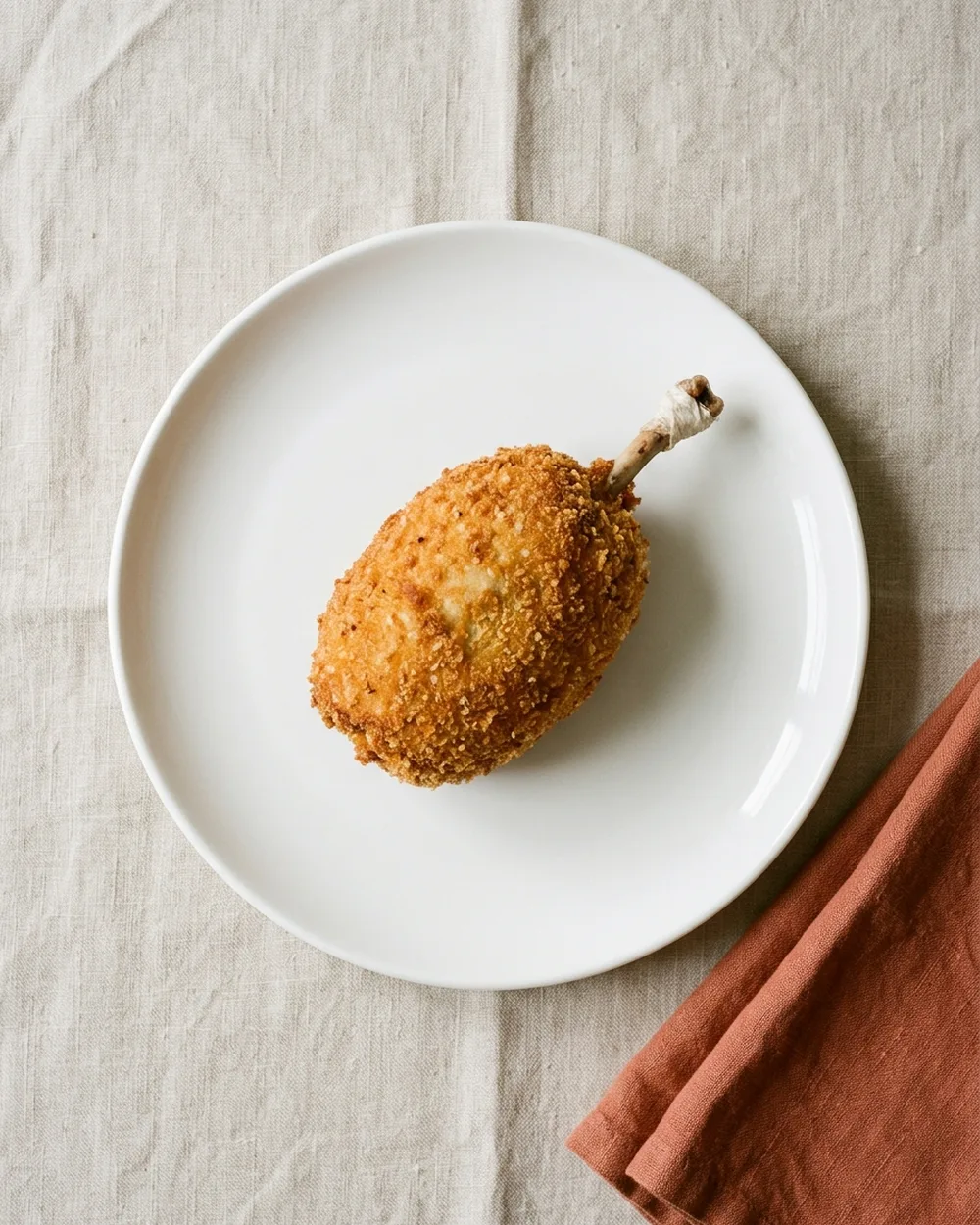
Chicken Kyiv: 722 kcal without a side
One cutlet of 258 g. With a cucumber and tomato salad it comes to 905 kcal.
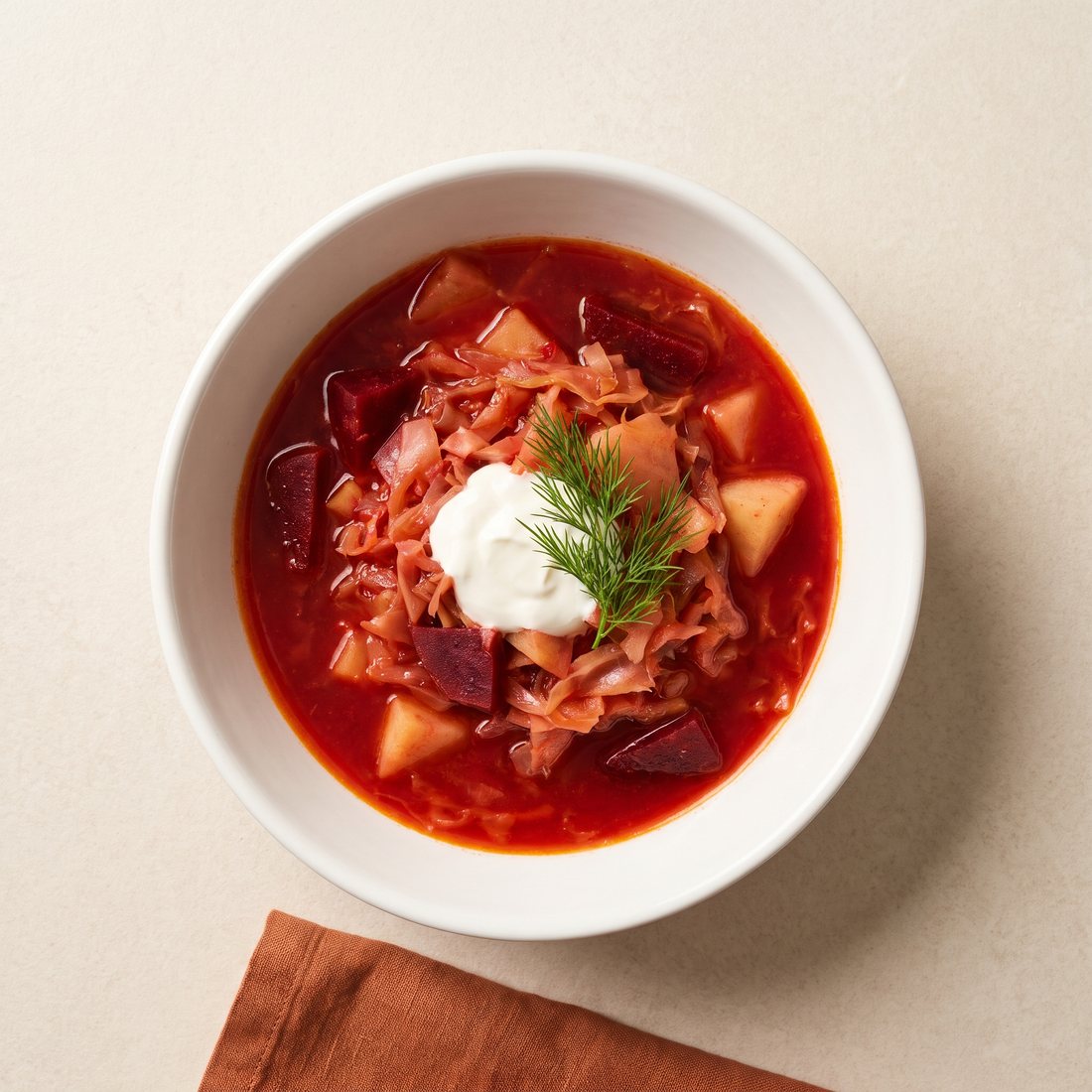
Calories per 100 g or per portion: which one to count
The per-100-g number compares dishes; the per-portion number shows how much you ate. With borscht and dumplings as the examples.
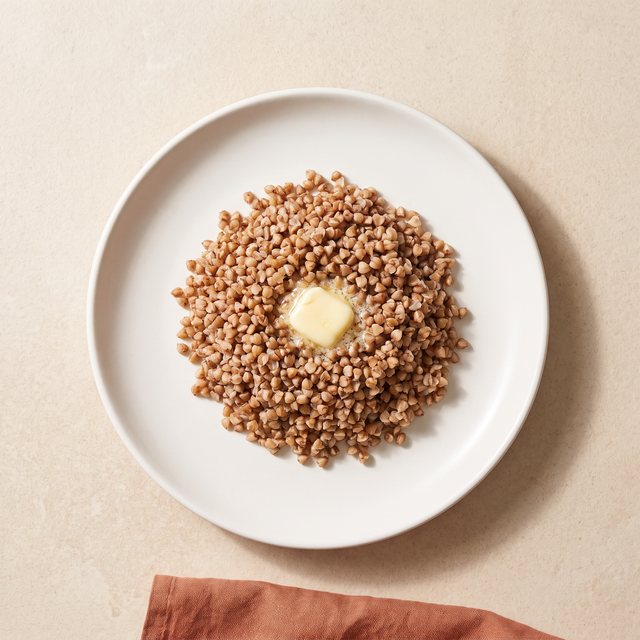
Sides in one table: buckwheat, rice, pasta, potato
Five sides on the same measure: the portion, its weight, calories per portion and per 100 g.
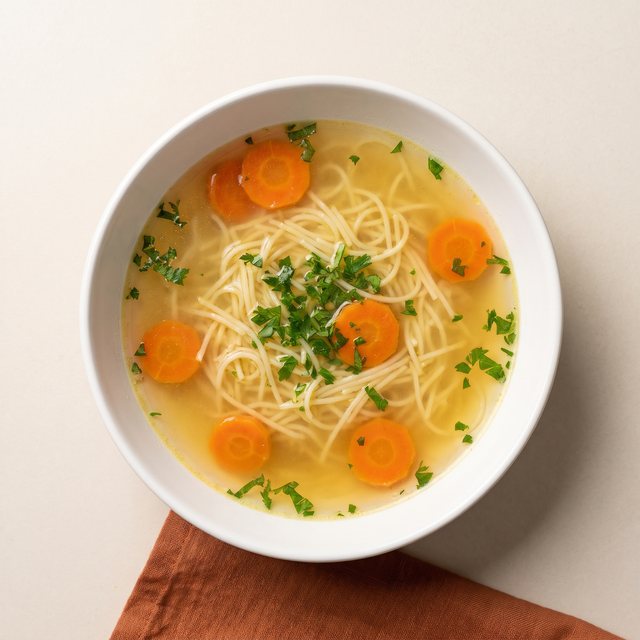
Soups in a 300 g bowl: borscht, split pea, chicken noodle, meatball
Four soups of the same weight and four different numbers. Split pea with meat comes out noticeably above the rest.
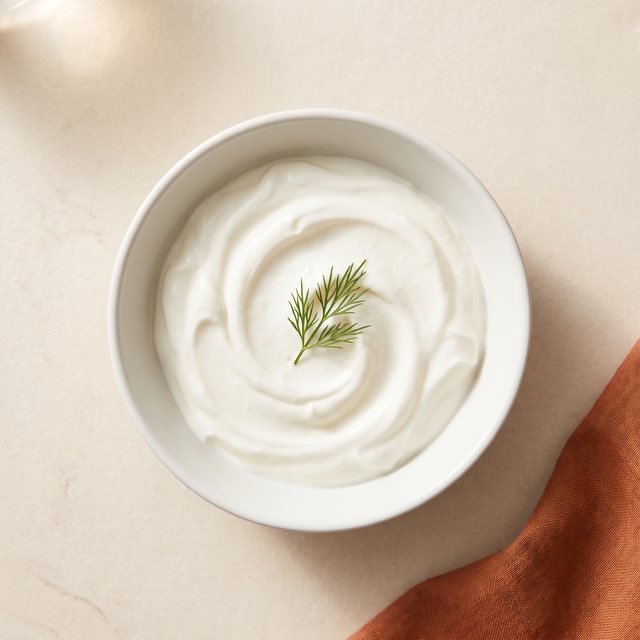
Sour cream, bread, an egg: how much the things beside the plate add
A spoon of sour cream 29 kcal, a slice of rye bread 83 kcal. Small things that add up into the total.
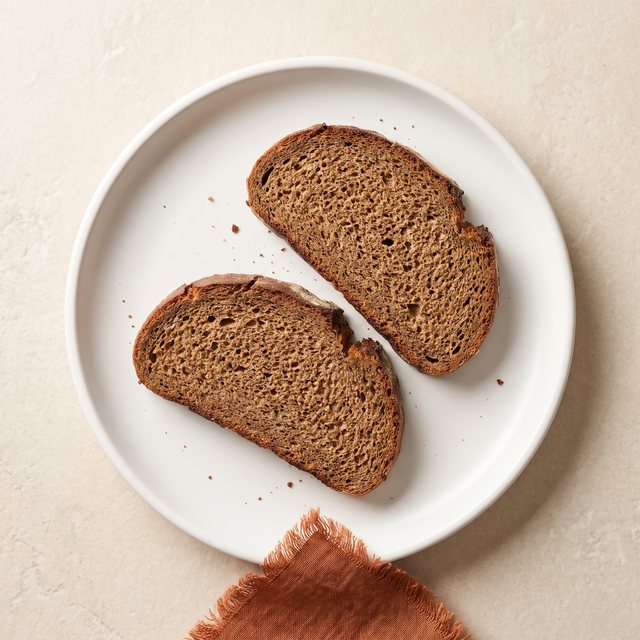
Where Calvi takes its numbers: an official database and a USDA analogue
Beside every number you can see its source. What “Official database” means, what “USDA analogue” means, and what we do not do.
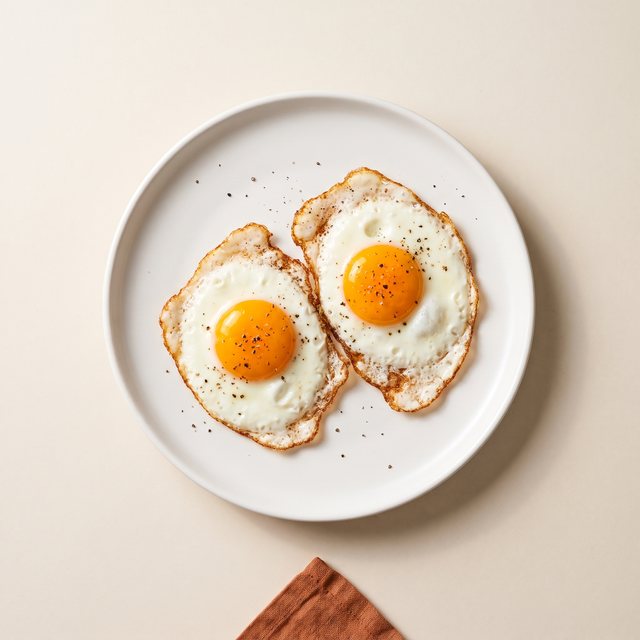
How to log food in Calvi in an ordinary sentence
Voice, text or a photo. Several dishes in one sentence, the language can be mixed, and the weight is optional.