Calories per 100 g or per portion: which one to count

The per-100-g number is for comparing dishes. What goes into the diary is the per-portion number: the portion you actually ate.

Two numbers about one dish

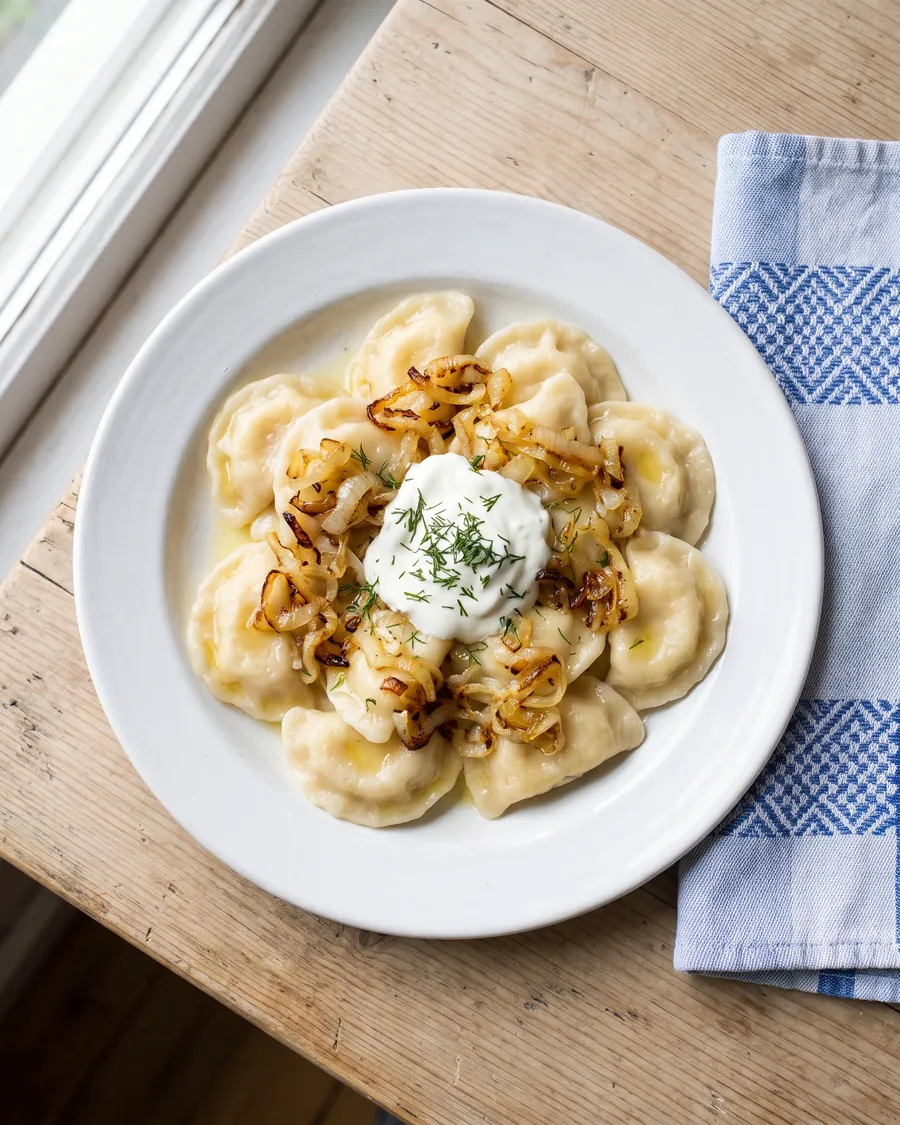
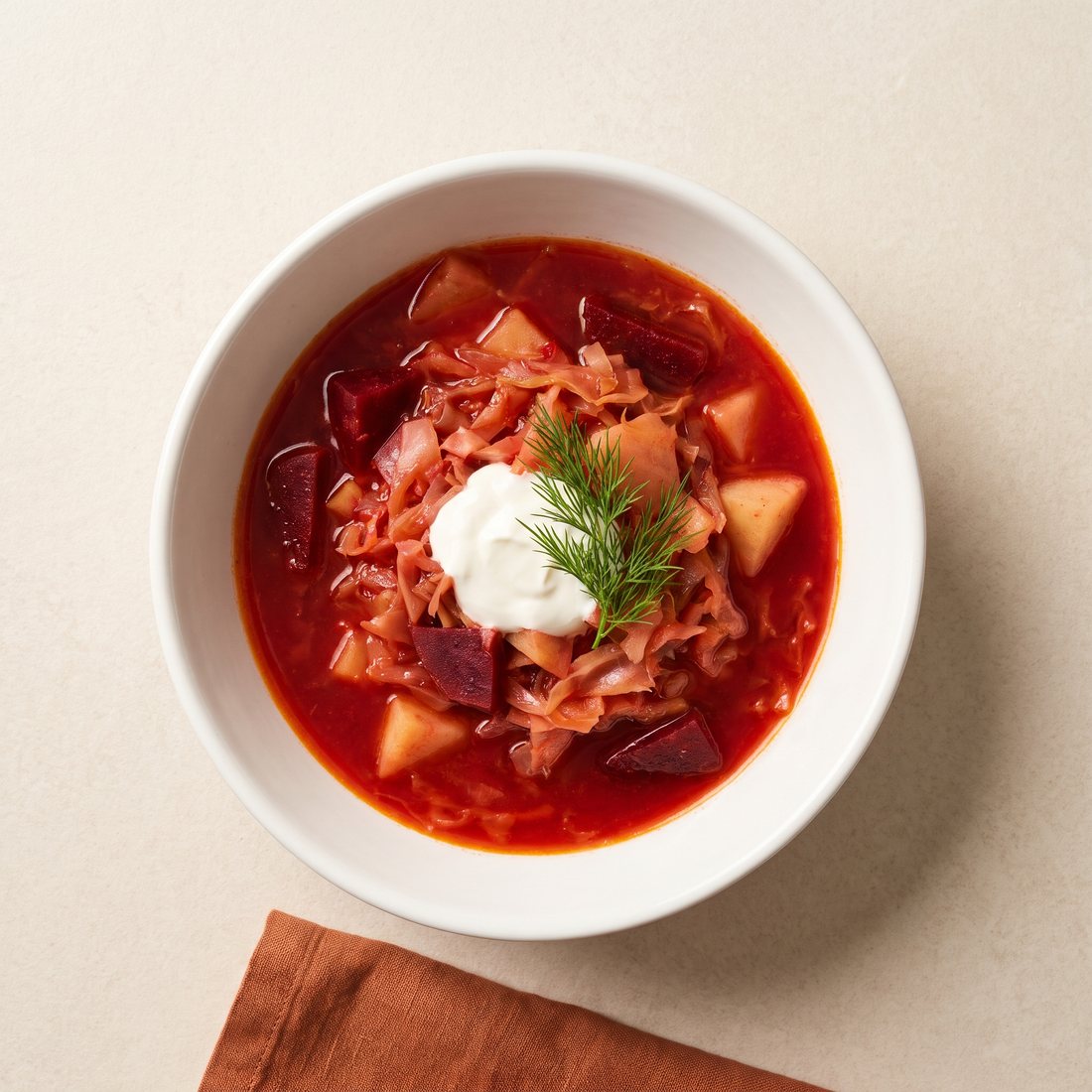
Borscht: 51.7 kcal per 100 g and 155 kcal for a 300 g bowl. Potato dumplings: 195 kcal per 100 g and 78 kcal for one dumpling of 40 g.

The per-100-g number says nothing about how much is on the plate. The per-portion number does, but only if the portion is yours and not an abstract one.

Why dumplings look “heavier” than borscht on paper

Dumplings have 195 kcal per 100 g, borscht has 51.7: almost four times the difference. But a 300 g bowl of borscht is 155 kcal, while eight dumplings, 320 g, are 624 kcal.

So looking only at the per-100-g figure makes it easy to get it wrong: what counts is how much you took.

Eight dumplings and a bowl of borscht

Nora writes two lines: dumplings 624 kcal and borscht 155 kcal, 779 kcal in total.

What to log

Log what was on the plate, in an ordinary sentence. If you know the weight, say it. If you do not, Calvi takes the usual portion and does not ask you for grams.

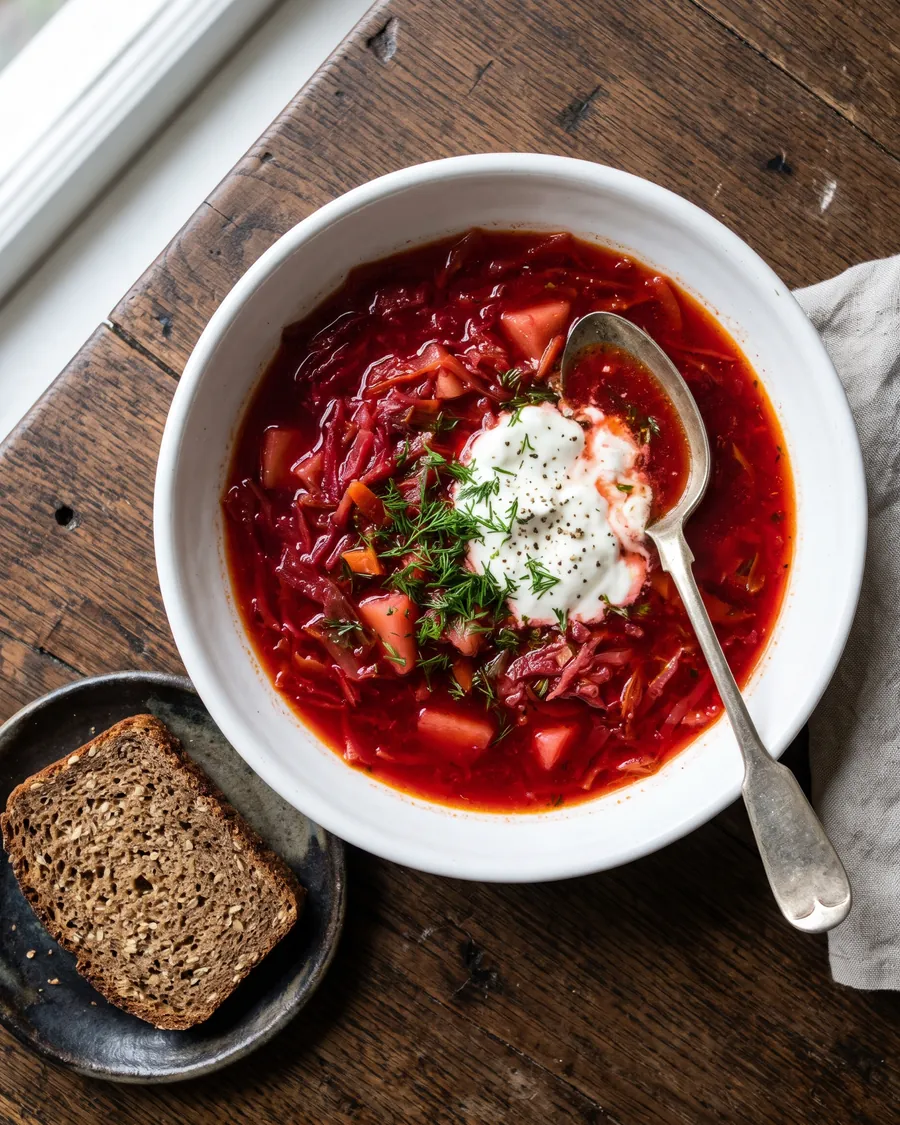
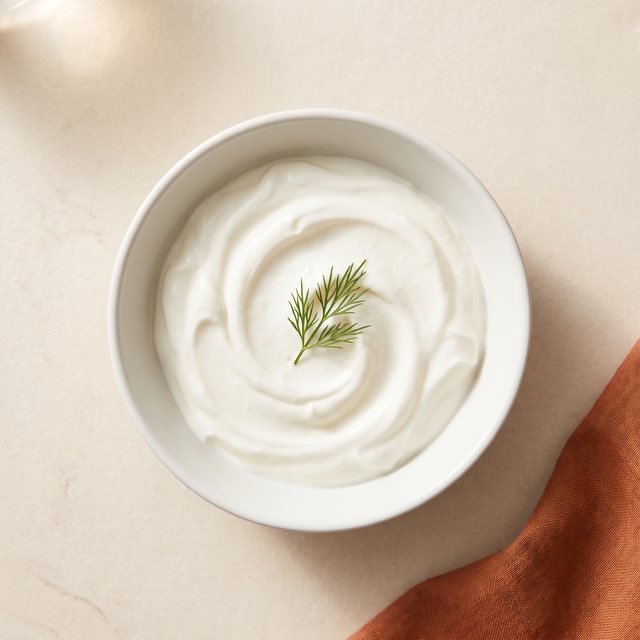
Small add-ons have their own numbers too: a spoon of sour cream is 29 kcal, a slice of rye bread is 83 kcal. They add up into the total.
Sources of the numbers

Beside every number Calvi shows its source. These are the ones this article is built on.

  • Red borscht with potatoOfficial databaseSchool menu (Klopotenko), card 32 “Borscht with potato”: 300 g = 155 kcal Open the source
  • Potato dumplings (varenyky)USDA analogueUSDA FNDDS: Pierogi (1 piece = 40 g) Open the source
  • Rye breadOfficial databaseUSDA FNDDS: Bread, rye (1 medium slice = 32 g) Open the source
  • Sour cream (regular)Official databaseUSDA FNDDS: Sour cream, regular (1 tbsp = 15 g) Open the source

Questions

Which matters more: calories per 100 g or per portion?

For a diary, the portion you ate matters more. The per-100-g number helps you compare dishes and recount an unusual portion.

How do I recount it for my portion?

Multiply the per-100-g number by the weight of the portion and divide by 100. For example, 103 kcal in 200 g of borscht.

Коментарі

Коментарів ще немає. Напишіть перший.

More on this

Borscht: 300 g is 155 kcal

A bowl of red borscht with potato, by the card of a school menu. A spoon of sour cream adds another 29 kcal on its own.

Sour cream, bread, an egg: how much the things beside the plate add

A spoon of sour cream 29 kcal, a slice of rye bread 83 kcal. Small things that add up into the total.

Potato dumplings: 78 kcal a piece

195 kcal per 100 g. Eight of them on a plate are 624 kcal, and counting them by the piece works better.

Say what you ate. Nora counts it.

Calvi understands ordinary sentences, in any language. Beside every number you can see its source.

Next: Sides in one table: buckwheat, rice, pasta, potato